By
By 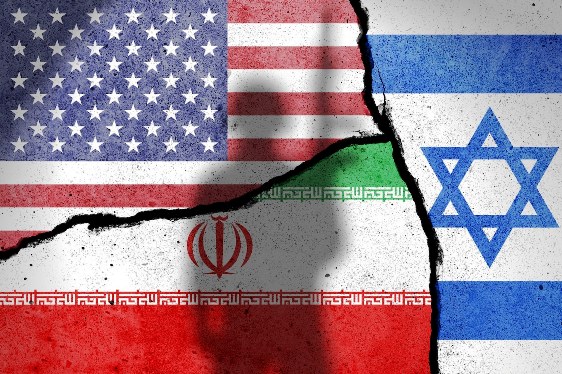
By Professor Emmanuel Moore Abolo ,PhD-Econs, FGRCP,FIMC, FNIMN,FPSSN
The persistent and tragic cycle of conflict between Iran, its proxies, and the combined forces of Israel and the United States has reached a critical juncture. Voices within the region and beyond that continue to urge Iran toward further threats and armed resistance are, at this moment, not offering truthful counsel.
Their rhetoric, while perhaps appealing to a sense of national pride or ideological purity, ignores the stark and devastating realities of modern warfare. To continue down this path of escalation is not an act of strength but a dangerous gamble that invites the complete obliteration of Iran’s infrastructure, economy, and the well-being of its citizens.
The time has come for a sober reassessment of a strategy that increasingly appears to be a path toward national catastrophe.
The simple logic of self-preservation, embodied in the adage that “he who fights and runs away lives to fight another day,” must now be applied to the highest levels of statecraft.
This is not a call for cowardice, but for strategic wisdom. A leader’s primary duty is to ensure the survival and prosperity of their nation and its people. The question that must be asked, with brutal honesty, is whether Iran can truly hope to defeat the most powerful military alliance in the history of the world in a sustained, full-scale conflict.
The overwhelming technological, economic, and military superiority of the United States and its allies suggests that the answer is a resounding no. Prolonging a conflict with such a disparity in power is not resistance; it is a formula for national suicide.
The path forward, therefore, lies not in further escalation, but in opening a genuine and comprehensive dialogue. The dangerous tit-for-tat exchanges of missile strikes and cyber-attacks must be brought to an end before they spiral into an inferno that could literally wipe Iran from the map.
Diplomatic engagement, however difficult and distasteful it may seem to hardliners, is the only realistic mechanism to de-escalate the current crisis. It offers a framework to address the underlying security concerns of all parties, moving away from the unpredictable and destructive logic of retaliation towards a more stable, if imperfect, coexistence.
To choose dialogue is not to surrender, but to prioritize the lives and future of the nation over the futile continuation of a war that cannot be won.
A central and undeniable reality that any dialogue must confront is the international community’s profound concern over Iran’s nuclear and missile programs. It is almost certain that the United States and its allies will not agree to end this cycle of conflict until they have verifiable mechanisms in place to monitor and control these capabilities.
For Tehran, this may feel like a coercive demand, but it also represents the very core of the trust deficit that fuels the conflict. Addressing these concerns transparently is the most significant single step Iran could take to remove the existential threat of a preemptive strike or a full-scale invasion. It would transform the nation’s standing from a perceived pariah state into a responsible actor capable of securing its interests through negotiation rather than intimidation.
This entire discourse must be framed with a profound sense of humanity for those who bear the heaviest burden of this conflict. I deeply sympathize with all the victims of this war—the innocent families in Israel huddled in shelters, the civilians in Gaza and Lebanon caught in the crossfire of proxy wars, and the Iranian people who face economic ruin and the constant fear of their homeland becoming a battlefield.
These are not just statistics; they are lives disrupted, futures stolen, and communities shattered by political decisions made far from their homes. Any strategic calculation that fails to place their safety and well-being at its absolute center is morally bankrupt.
In conclusion, the choice for Iran’s leadership is stark. They can continue to heed the untruthful counsel of those who promise glory through perpetual conflict, leading the nation towards potential annihilation. Or they can choose the difficult but essential path of diplomacy, engaging in good-faith negotiations to secure its national interests, including its security and technological ambitions, within a framework of international oversight.
True strength in this moment is not demonstrated by the ferocity of one’s rhetoric, but by the courage to make peace, to protect one’s people, and to build a future that does not end in fire and ash. The world watches and hopes for a choice that favors life over destruction.