By
By 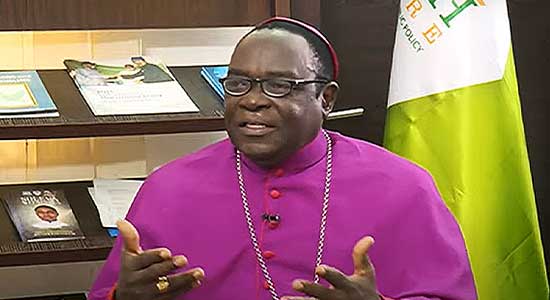
As Nigeria Seeks Its Place in the Global Democratic Order, Voices Rise for Ethical Leadership and Inclusive Growth
In a nation often weighed down by hardship yet driven by hope, Catholic Bishop of Sokoto, Dr Mathew Hassan Kukah, has issued a stirring call to Nigerians: do not surrender your country to despair.
Speaking with deep emotion at the 39th edition of the Boiling Point Arena, the respected cleric urged citizens to resist bad governance, not with endless lamentation, but with courage, discipline and collective action—the kind that can reshape a nation’s destiny and secure Nigeria’s rightful place in the global community.
Broadcast live across radio stations in Lagos, Ogun and Delta States, the conversation was more than an interview. It was a heartfelt appeal to a people whose aspiration for good governance and inclusive development remains alive, despite years of frustration.
“Nigeria Has Not Failed — We Are Rising to Our Own Expectations”
Bishop Kukah pushed back firmly against the popular narrative that Nigeria is a failed state.
“As far as I am concerned, this country is not where I would have wanted it to be. But I totally and fundamentally disagree that Nigeria has failed. What we are witnessing is the pain of rising expectations. We have become harder on ourselves because we now know we deserve better,” he said,
For Kukah, the tragedy is not that Nigerians complain, but that complaints alone cannot build a nation.
“If we truly want a new Nigeria, it will not come through abuse, despair or endless lamentation. It will come the day we decide to be disciplined, to play by the rules, and to embrace the sacrifices that nation-building demands.”
Citizen Power: The Missing Link in Nigeria’s Democratic Journey
In words that cut to the heart of Nigeria’s democratic struggle, the bishop reminded Nigerians that good governance is not a gift from government—it is a demand from citizens.
“Government will only respond to the pressure of ordinary people. Nigerians must develop the capacity to resist injustice, to protest responsibly, to insist on accountability. Without that courage, democracy becomes hollow,” he said.
His message echoes a deeper truth about Nigeria’s place in the world: nations earn respect on the global stage when their citizens defend their values at home—through law, civic action and moral conviction.
Beyond Leaders: The Role of Institutions and Elites
While acknowledging that successive governments have made costly mistakes, Kukah warned against blaming leaders alone.
He pointed instead to the often-ignored backbone of governance: institutions and the political elite.
“Every country is as good as its bureaucracy. And every nation rises or falls by the discipline of its elites. The real crisis is not only leadership failure; it is elite irresponsibility—a refusal to play by the rules, to submit to due process, to sacrifice for the common good,” he said.
According to him, Nigeria’s setbacks are the product of collective neglect of values, not the failure of ordinary citizens who already carry the heaviest burdens of survival.
A Traditional Ruler’s Lament: Growth Without Human Progress
Earlier, the Olowu of Owu Kingdom, Oba Prof Saka Matemilola, struck a reflective tone as chair of the discourse.
Nigeria, he said, remains a land of immense promise trapped in a cycle of missed opportunities.
“Yes, our economy is expanding on paper. But too many Nigerians cannot feel it in their lives. Growth has not translated into dignity, opportunity or hope for millions,” the monarch noted.
He warned of a growing danger: voter apathy, political cynicism and the normalisation of dysfunction—trends that threaten Nigeria’s democratic future.
“When people stop believing in leadership, they stop believing in the nation itself. That is when countries begin to lose their place in the global order.”
From Transactional Politics to Transformational Leadership
Oba Matemilola lamented that many leaders have treated public office as a gateway to power and wealth, rather than a platform for service.
“What we need is transformational leadership that changes lives, not just administrations,” he said,
Without accountability, he warned, Nigeria risks drifting further from the ideals of inclusive development that define modern, respected democracies.
Why This Conversation Matters for Nigeria’s Global Standing
At a time when nations are judged not just by economic size but by governance standards, social inclusion and institutional credibility, voices like Kukah’s carry global relevance.
Nigeria’s struggle is not unique—but its potential is extraordinary.
A country with Africa’s largest population, a youthful digital generation and immense natural wealth cannot afford to surrender to hopelessness. The path to global relevance lies in ethical leadership, empowered citizens and institutions that work for all.
As Bishop Kukah concluded, with quiet conviction:
“The day we all decide to obey the law, respect due process and take responsibility, that is the day a new Nigeria will be born.”