By
By 
Multilateral lender projects 4% GDP growth for 2025 but warns that higher global fuel and food prices will aggravate poverty and inflationary pressures.
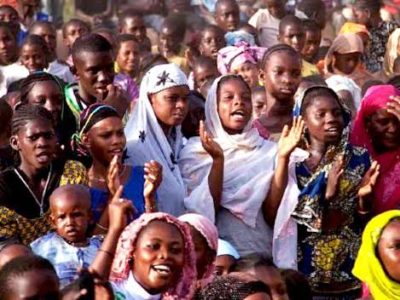
The International Monetary Fund (IMF) has stated that poverty in Nigeria has reached 63% of the population, as conditions remain difficult for citizens amidst ongoing economic reforms.
In a statement released following its Article IV consultation with Nigeria, the IMF said strong reforms over the past three years have improved macroeconomic outcomes and strengthened resilience. However, conditions for many Nigerians remain difficult.
According to the IMF, poverty has reached 63% based on the national poverty line, and an estimated 27 million Nigerians faced food insecurity in the fall of 2025.
External Shocks Add to Inflationary Pressures
The Fund added that higher global fuel, food, and fertiliser prices will boost exports and fiscal revenues but also raise inflationary pressures, potentially aggravating poverty and food insecurity.
*“After being on a declining trend for over a year, inflation nudged up to 15.4 percent year-on-year in March 2026 as the jump in international fuel and food prices started hitting Nigeria. While the external shock to fuel and food prices will push up inflation in the short run, the disinflation path is projected to continue in the second half of the year,”* the IMF said.
GDP Growth Projections
The IMF projected Nigeria’s economy to grow by 4% in 2025 and 4.1% in 2026, though headwinds from higher food and transport costs weigh on economic activity.
Reserves and Fiscal Position
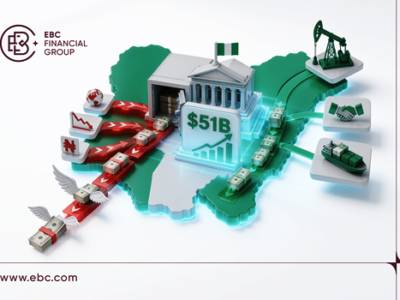
The multilateral lender said Nigeria’s gross international reserves increased to US$46 billion in 2025 from US$40 billion at end-2024, supported by the current account surplus, net purchases of central bank open market operations by non-residents, and a Eurobond issuance.
Net international reserves increased to US$35 billion at end-2025 from US$23 billion at end-2024.
The overall deficit of the consolidated government is estimated to have increased to 4.4% of GDP in 2025.
While non-oil revenues were on target, oil revenues fell short of budget expectations. The shortfall was offset by under-execution of reported capital expenditures.
Risks and Upside Potential
The IMF noted that risks to the outlook stem from an uncertain global environment, particularly fuel and food price dynamics, while the domestic security situation remains another risk to people and economic activity.
On the upside, quick gains on revenue mobilisation would create additional budget space for growth-enhancing priority spending.
Executive Directors’ Recommendations
Executive Directors agreed with the thrust of the staff appraisal. They commended the authorities’ reforms over the past three years that have strengthened macroeconomic stability and resilience.
However, Directors cautioned that conditions remain difficult for many Nigerians, with poverty and food insecurity likely to worsen in the current external environment.
Fiscal and Monetary Policy Stance
Directors called for a neutral fiscal stance in 2026 to support macroeconomic stability and disinflation while protecting priority and social spending.
They welcomed recent tax reforms but noted that additional tax policy measures may be needed over the medium term, including to fund a scaled-up cash transfer programme to provide relief to the most vulnerable.
On monetary policy, Directors agreed that the Central Bank of Nigeria should maintain a tight monetary policy stance with a data-dependent approach until disinflation is entrenched and inflation expectations are anchored.
They welcomed progress toward adopting inflation targeting and encouraged steps to strengthen monetary transmission and communication.
Exchange Rate and Financial System
Directors welcomed the authorities’ commitment to the flexible exchange rate regime while calling for reducing reliance on portfolio flows with rollover risk and phasing out remaining exchange restrictions as conditions permit.
The IMF confirmed that the financial system remains resilient, helped by the recent recapitalisation of banks, while encouraging continued vigilance of rising non-performing loans (NPLs) and the sovereign-bank nexus.
Directors encouraged the authorities to accelerate Basel III implementation, including the countercyclical capital buffer and the liquidity coverage ratio.
Crypto Assets and Financial Integrity
Directors stressed the importance of further strengthening supervision and bringing stablecoin and other crypto asset activities into the regulatory perimeter.
They welcomed Nigeria’s removal from the FATF grey list and noted that sustained implementation will be key to preserving recent gains in financial integrity.
Structural Reforms for Inclusive Growth
Directors emphasised the need for reforms to support inclusive growth and diversification, flagging governance, security, electricity, agriculture, infrastructure, and human capital as priority areas.
The IMF also called for strengthening macroeconomic statistics to support policy formulation and implementation, with some Directors stressing the importance of integrating climate considerations into macroeconomic policy.