By
By 
By Asheesla Arigu
Nigeria is a country known for its ethnic, religious and cultural diversity. With more than 250 ethnic groups and different religious beliefs, diversity has always been an important part of the Nigerian identity. Ideally, this diversity should be a source of strength, allowing people from different backgrounds to live together and contribute to the development of the country.
However, ethnic and religious differences have also contributed to tension and conflict in different parts of Nigeria. These tensions have affected relationships between communities and have continued to raise concerns about national unity.
Ethnic tension in Nigeria not a new problem
Ethnic tension in Nigeria is not a new problem. It has its roots in the country’s history, particularly during the colonial period. The colonial government administered different groups and regions in ways that sometimes encouraged division.
After independence in 1960, these existing differences became more visible as different ethnic groups competed for political power, economic opportunities and control of government institutions. Political competition has often taken an ethnic dimension, with people sometimes supporting candidates or political parties based on their ethnic or regional identity rather than their policies.
Religious tensions in Nigeria
Religion is another major factor that has contributed to tensions in Nigeria. The country has a large Christian and Muslim population, alongside people who practise traditional religions and other beliefs. Although Christians and Muslims live together peacefully in many parts of the country, religious differences have sometimes been used to create division.
Religious conflicts have been particularly serious in some parts of Northern Nigeria, where disputes, political interests, economic problems and extremist activities have sometimes taken on a religious dimension.
One major effect of ethnic and religious tensions is the weakening of trust among Nigerians. When people constantly hear negative messages about another ethnic or religious group, it can create suspicion and fear. People may begin to see members of other groups as threats rather than as fellow citizens. This makes it more difficult to build the sense of belonging that is necessary for a united country.
Ethnic and religious tensions leading to violent conflicts
Ethnic and religious tensions have also contributed to violent conflicts in Nigeria. In different parts of the country, disagreements between communities have sometimes resulted in the loss of lives, destruction of property and displacement of people.
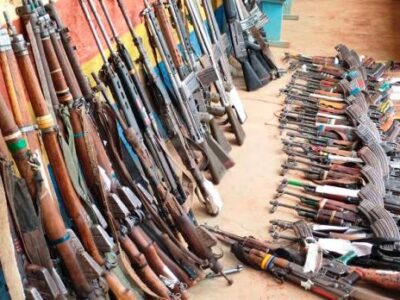
Conflicts involving farmers and herders, communal clashes and attacks by extremist groups have all affected communities and made some people afraid to live or travel in certain areas. Beyond the immediate loss of lives and property, these conflicts can create long-term resentment between communities.
Another area affected by these tensions is politics. Ethnic and religious identities can influence voting patterns and political appointments. In some situations, people may support a political candidate simply because they belong to the same ethnic or religious group.
This can make it harder for citizens to judge political leaders based on their competence, policies and ability to serve the country. It can also create the belief that government belongs to certain groups rather than to all Nigerians.
Politicians use ethnic and religious differences for leverage
The problem is made worse when politicians use ethnic or religious differences to gain support.
During elections, political messages can sometimes appeal to people’s fears and identities instead of focusing on issues such as education, employment, security and economic development. Social media has also made it easier for false information and inflammatory messages to spread quickly. When such messages are not properly challenged, they can increase tension and encourage hostility between groups.
Ethnic and religious tensions also have economic consequences. Conflict can destroy businesses, farms, homes and other forms of property. When people are forced to leave their communities because of violence, they may lose their sources of income and become dependent on others for survival. Government resources that could have been used for development may also have to be redirected towards security and the management of conflicts.
“Insecurity and instability discourage investment. slow down economic development”
In the long term, insecurity and instability can discourage investment and slow down economic development.
Despite these challenges, Nigeria’s diversity does not have to be a source of division. There are many examples of Nigerians from different ethnic and religious backgrounds living, studying, working and doing business together. Inter-ethnic and inter-religious relationships are common in many Nigerian communities. This shows that diversity itself is not the problem. The real problem is the way differences are sometimes used to create fear, discrimination and conflict.
Promoting national unity therefore requires efforts from both the government and citizens. The government needs to ensure that people are treated fairly regardless of their ethnic or religious background. Institutions such as the courts, security agencies and electoral bodies must be trusted to act fairly and independently.
Government policies should also address issues such as poverty, unemployment, insecurity and unequal access to opportunities, since these problems can sometimes contribute to conflict.
Education can reshape stereotypes
Education also has an important role to play. Schools and universities can help young Nigerians understand the country’s different cultures and religions while teaching them the importance of tolerance and peaceful coexistence. Young people should be encouraged to interact with people from different backgrounds instead of allowing stereotypes to shape their opinions.
Religious and traditional leaders also have a responsibility to promote peace. Because many Nigerians respect and listen to their religious and community leaders, these leaders can have a strong influence on how people respond to conflict. They can use their positions to discourage hate speech, promote dialogue and remind their followers that people from different backgrounds can live together peacefully.
National unity must recognise diversity as strength
Ultimately, national unity cannot be achieved simply by asking Nigerians to ignore their differences. Nigeria’s diversity is a reality and should be recognised and respected. What is needed is a system in which people can maintain their ethnic and religious identities while still seeing themselves as part of one nation. Nigerians should be able to celebrate where they come from without allowing those differences to determine who deserves opportunities, protection or respect.
In conclusion, ethnic and religious tensions remain significant challenges to national unity in Nigeria. They have affected social relationships, politics, security and economic development.
However, these challenges can be reduced through fair governance, responsible political leadership, education, dialogue and respect for diversity. Nigeria’s strength lies not in having people who are all the same, but in the ability of people from different backgrounds to live and work together. Building a stronger and more united Nigeria therefore requires every citizen to look beyond ethnic and religious differences and recognise the shared interests and future of the country.
References
International Crisis Group. (2010). Northern Nigeria: Background to conflict. International Crisis Group.
Mustapha, A. R. (2006). Ethnicity and the politics of citizenship in Nigeria. Journal of Modern African Studies, 44(1), 1–21.
Suberu, R. T. (2001). Federalism and ethnic conflict in Nigeria. United States Institute of Peace Press.